
What is the Masai Mara Famous For? Top Reasons to Visit
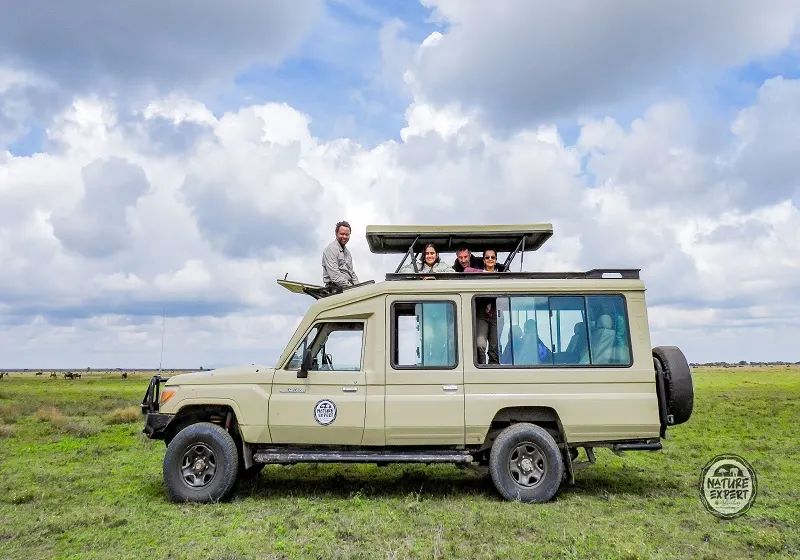
Barely 1,510 square kilometres of grassland in south-western Kenya has somehow become the most recognised patch of wilderness on the African continent, the place people picture the moment somebody says the word “safari.” So what is the Masai Mara famous for, and does the reality match the reputation built up by decades of documentaries and magazine covers? The honest answer is that the Mara earns its name for several very different reasons, and knowing which of them matter to you is the difference between a good trip and an extraordinary one.
At Nature Expert Adventures, based in Arusha, Tanzania, our safari experts design seamless, multi-country itineraries across the Serengeti-Mara ecosystem. Whether you are dreaming of a luxury lodge experience or a rugged wilderness expedition, understanding what makes the Masai Mara world-renowned is the first step toward planning your dream journey.
The Great Wildebeest Migration: Nature’s Greatest Spectacle
If the Masai Mara is world-famous for one thing above all else, it is the Great Wildebeest Migration. Often described as the “Eighth Wonder of the World,” this annual circular movement sees over 1.5 million wildebeest, 200,000 zebras, and hundreds of thousands of Thomson’s gazelles trekking across the Mara-Serengeti ecosystem in search of fresh grazing grounds and water.
The Great River Crossings
Between July and October, the herds reach the northern end of their journey, facing their most dangerous obstacle: the treacherous Mara River. The river crossings are legendary for their high-stakes drama:
- Massive Herds Gathering: Thousands of wildebeest gather on the riverbanks, hesitate, and build up tension for hours or even days.
- The Leap of Faith: Once a single animal jumps in, the entire herd plunges into the river in a chaotic frenzy of splashes, dust, and desperate swimming.
- Nile Crocodiles: Massive Nile crocodiles, some growing up to five meters long, lie in wait in the river currents, ambushing vulnerable animals.
- Predators on the Bank: Lions and leopards often wait on the opposite shore to target exhausted survivors as they scramble up steep mud banks.
For wildlife photographers and enthusiasts, witnessing a Mara River crossing is the absolute pinnacle of an African safari experience.
Comprehensive Overview Table: Masai Mara Highlights
| Safari Highlight | Peak Season / Best Time | What Makes It Famous? | Recommended Experience |
|---|---|---|---|
| Mara River Crossings | July to October | Dramatic wildebeest river crossings filled with intense predator action. | Full-day game drives with packed lunches along the Mara River. |
| Big Cat Safaris | Year-Round (Best: Jan–Mar, Jun–Oct) | Unmatched density of lions, cheetahs, and leopards on open plains. | Early morning and late afternoon game drives when predators are active. |
| Wildebeest Calving | January to March | Hundreds of thousands of newborn calves born in the neighboring Serengeti. | Combined Kenya-Tanzania safari covering Ndutu and Southern Serengeti. |
| Hot Air Balloon Safari | Year-Round (Best in Dry Season) | Panoramic aerial views of sunrise over the savanna, river systems, and wildlife herds. | Early morning flight followed by a champagne bush breakfast in the wild. |
| Maasai Cultural Visits | Year-Round | Rich cultural heritage, traditional music, dancing, and sustainable living. | Guided walking tours in Maasai villages (Manyattas) outside the reserve borders. |
| Bird Watching | November to April | Over 450 bird species, including migratory birds from Europe and Asia. | Birding safaris in riverine forests and marshland areas. |
High Predator Density & The “Big Five”
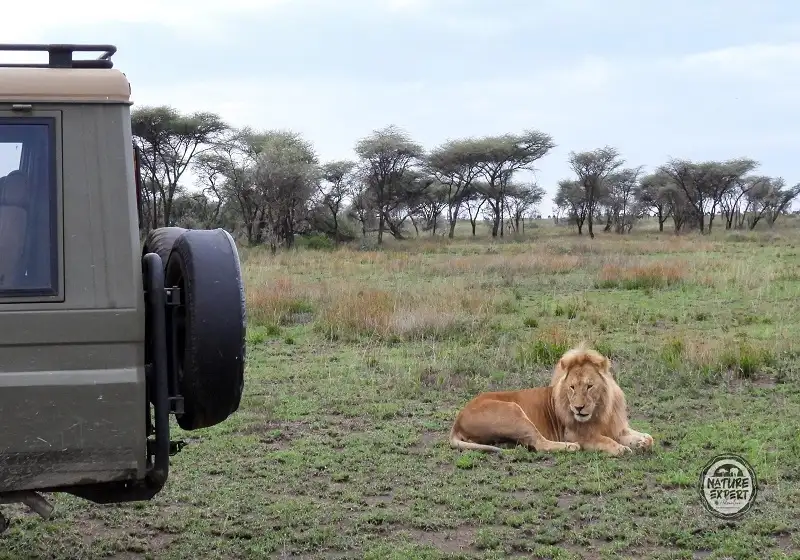
The Masai Mara is globally celebrated for having one of the highest concentrations of terrestrial predators anywhere on Earth. The open savanna provides ideal visibility and rich hunting grounds for Africa’s big cats.
The Famous Big Cats
- Lions: The reserve is home to some of the largest and most famous lion prides in Africa, including the iconic Marsh Pride made famous by BBC’s Big Cat Diary. Visitors frequently witness lion hunts, pride dynamics, and young cubs at play.
- Cheetahs: The wide-open, short-grass plains of the Mara offer perfect terrain for the fastest land animal. Predators like the famous “Fast Five” coalition of male cheetahs have historically hunted large prey here together.
- Leopards: Though elusive, leopards are regularly spotted resting in the branches of acacia trees or stalking prey along the dense foliage of the Mara and Talek Rivers.
Spotting the Complete “Big Five”
Originally coined by big-game hunters to describe the five most dangerous animals to hunt on foot, the Big Five is now the ultimate wildlife checklist for game viewers:
- Lion: Abundant throughout the reserve’s open grasslands.
- Leopard: Best sighted in riverine woodland zones.
- African Elephant: Large herds wander freely between the acacia woodlands and open plains.
- Cape Buffalo: Huge, formidable herds graze across the reserve year-round.
- Rhinoceros: The endangered Black Rhino is rare, but small populations are actively protected and spotted in the southern sectors and Mara Triangle.
The Living Heritage of the Maasai People
The reserve is named in honor of the Maasai tribe, the indigenous pastoralists who have lived in harmony with the region’s wildlife for centuries. The word “Mara” means “spotted” in the local Maa language—a reference to how the landscape looks from above, dotted with scattered acacia trees, cloud shadows, and dense bush patches.
Authentic Cultural Encounters
A visit to the Masai Mara is incomplete without engaging with the vibrant culture of the Maasai people. Key cultural experiences include:
Conservation Partners: The Maasai people play a crucial role in modern wildlife conservation through community conservancies, protecting animal corridors surrounding the national reserve.
Traditional Villages (Manyattas): Explore mud-and-stick homesteads organized in circular compounds designed to protect livestock from wild predators.
Adumu (The Jumping Dance): Witness the famous warrior dance where young men demonstrate their strength and endurance by jumping vertically into the air.
Handicrafts & Beadwork: Learn about intricate Maasai beadwork, where colors hold symbolic meanings (e.g., red represents bravery and blood, blue symbolizes sky and rain).
Breathtaking Landscapes & Hot Air Balloon Safaris
Beyond its animals, the Masai Mara is renowned for its iconic landscape. Rolling golden hills, endless savanna horizons, winding rivers, and umbrella acacia trees create the classic image of Africa that inspired movies like Out of Africa and Disney’s The Lion King.
The Ultimate Flight: Hot Air Ballooning
One of the most famous luxury experiences in the Mara is a sunrise hot air balloon safari:
- Pre-Dawn Launch: Depart your lodge before dawn to watch the giant balloon inflate against the dark morning sky.
- Silent Flight: Glide smoothly over the Mara River and savanna as the sun rises, casting golden light across herds of elephants, giraffes, and wildebeest below.
- Champagne Bush Breakfast: Land gently in the open savanna where a full warm breakfast, equipped with white linen and champagne, awaits you in the middle of the African bush.
Private Conservancies & Exclusive Safari Experiences
While the main Masai Mara National Reserve is world-famous, the surrounding Private Conservancies (such as Mara North, Olare Motorogi, and Naboisho) have revolutionized eco-tourism in Kenya.
Why Choose a Conservancy?
- Low Visitor Density: strict limits on vehicle numbers ensure quiet, intimate wildlife sightings without crowding.
- Exclusive Activities: Unlike the public reserve, private conservancies allow off-road driving for special sightings, night game drives to spot nocturnal animals, and guided bush walks on foot.
- Direct Community Support: Conservancy fees go directly to local Maasai landowners, creating sustainable revenue and incentive for land conservation.
Connecting Masai Mara and the Serengeti Ecosystem
A common misconception among travelers is that the Masai Mara and Serengeti are completely separate entities. In reality, they form one contiguous, unfenced ecosystem spanning nearly 30,000 square kilometers across the Kenya-Tanzania border.
Wildlife moves freely between the two parks based on rain patterns and food availability:
- The Mara (Kenya): Acts as the dry-season refuge (July–October) with greener pastures and permanent water sources like the Mara River.
- The Serengeti (Tanzania): Hosts the migration for the remainder of the year (November–June), including the massive calving season in the south.
At Nature Expert Adventures, based in Arusha, we specialize in organizing seamless cross-border safaris that combine both the Serengeti and Masai Mara into one comprehensive East African itinerary.
Best Time to Visit the Masai Mara
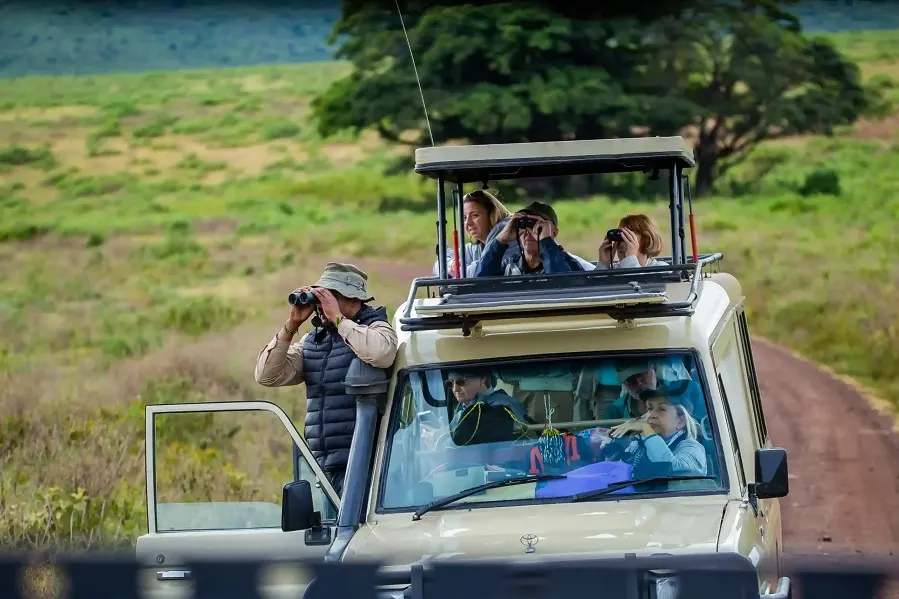
While the Masai Mara offers incredible game viewing 365 days a year, matching your travel dates to your personal safari goals is key:
July to October (Dry Season & Migration Peak)
- Pros: Peak Wildebeest Migration, river crossings, mild weather, low vegetation making animals easy to spot.
- Cons: Higher lodge prices, busier tracks in the central reserve.
November to December (Short Rains)
- Pros: Fresh green scenery, arrival of migratory birds, fewer crowds, great photography conditions.
- Cons: Occasional short afternoon showers.
January to March (Warm & Dry Period)
- Pros: Excellent big cat viewing, pleasant warm weather, lower visitor numbers than peak season.
- Cons: Grasses dry out, dust on unpaved roads.
April to May (Long Rains)
- Pros: Lowest accommodation prices, green lush landscape, private game drives with very few other vehicles.
- Cons: Heavy rains can make unpaved tracks muddy, requiring an experienced local driver and 4×4 vehicle.
Plan Your Masai Mara Adventure with Nature Expert Adventures
Understanding what the masai mara is famous for reveals why it remains the crown jewel of African safaris. Whether you are drawn by the raw emotion of the Great Migration, the thrill of tracking big cats, or the warm hospitality of the Maasai people, this legendary reserve guarantees memories that last a lifetime.
At Nature Expert Adventures, based in Arusha, Tanzania, our certified local guides, customized 4×4 Land Cruisers, and personalized service ensure you experience the very best of Kenya and Tanzania. Let our expert team craft your dream safari itinerary tailored precisely to your schedule and budget.
Get in Touch with Our Safari Experts
Ready to start planning? Contact us directly or send an inquiry through our team:
- 📞 Phone / WhatsApp: (255) 755 241 554
- ✉️ Email: travel@natureexpertadventures.com
- 📍 Office Location: Arusha, Tanzania – East Africa
👉 Book Your Safari: Visit our Contact Us Page to submit your travel details and receive a custom safari itinerary and quote within 24 hours!