Kitulo National Park
Kitulo National Park: Tanzania's Garden of God
Kitulo National Park is one of Tanzania’s most surprising and unusual destinations, a high-altitude plateau in the country’s southern highlands that locals call Bustani ya Mungu, the “Garden of God,” and botanists have named the “Serengeti of Flowers.” Rather than big-game plains, Kitulo offers rolling montane grasslands that burst into one of the world’s greatest wildflower spectacles.
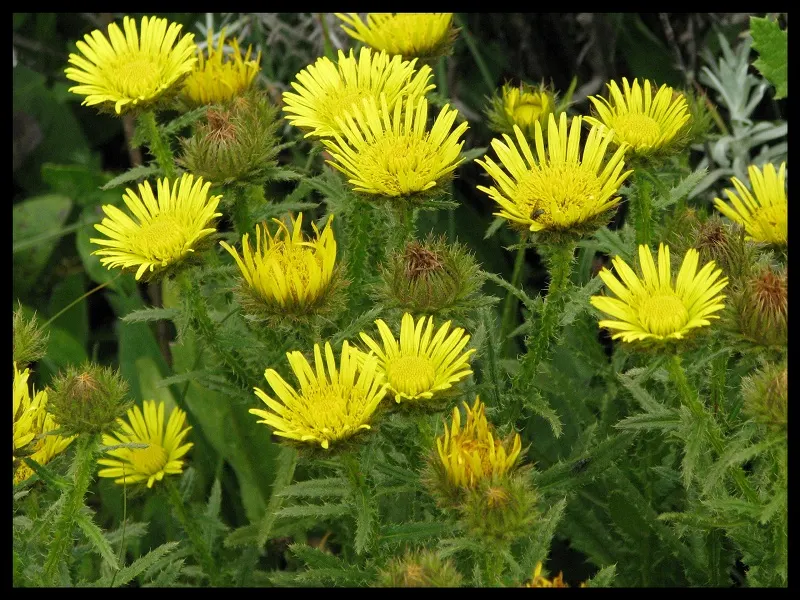
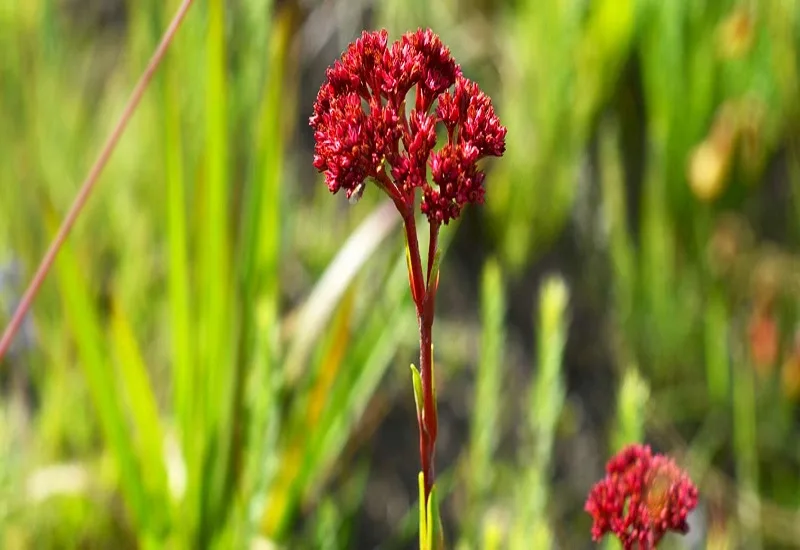
What makes Kitulo National Park truly special is its extraordinary plant life. The plateau is home to around 350 species of vascular plants, including some 45 varieties of terrestrial orchid, many of them found nowhere else on Earth. When the rains arrive, the grasslands erupt into a breathtaking carpet of colour that draws botanists, hikers, and photographers from around the world.
Gazetted in 2005, Kitulo holds a unique place in African conservation as the first national park in tropical Africa created primarily to protect its flora rather than its wildlife. With Nature Expert Adventures, you can discover this remarkable corner of southern Tanzania on a private, tailor-made tour designed around your interests and pace.
Why Visit Kitulo National Park?
Kitulo is unlike anywhere else in Tanzania. Set at roughly 2,600 meters (8,500 feet) between the Kipengere, Poroto, and Livingstone Mountains, it offers a cool, temperate highland landscape of open grasslands, wildflowers, waterfalls, and sweeping views far removed from the classic savannah safari.
The park covers approximately 413 square kilometers (about 159 square miles) of montane grassland and is one of the most important watersheds for the Great Ruaha River. For travelers who love nature in its quieter, more intimate forms, Kitulo is a genuine hidden gem on Tanzania’s southern circuit.
Kitulo is especially rewarding for travelers interested in:
- One of the world’s great wildflower displays
- Rare orchids and endemic highland plants
- Scenic grassland hiking and waterfalls
- Highland birdwatching and endemic species
- Cool, temperate mountain scenery
- An off-the-beaten-path Tanzania experience
New to Tanzania’s southern circuit? Browse our full range of Tanzania safari itineraries or explore other Tanzania safari destinations to combine with Kitulo.
Wildlife in Kitulo National Park
Kitulo is first and foremost a botanical park, so a visit is less about big game and more about Serengeti of flowers, birds, and the smaller, specialized creatures of the highlands. Large mammals are scarce, but the plateau shelters a surprising variety of rare and endemic species best explored on foot.
Species and highlights that may be encountered include:
- Wild orchids (45+ species)
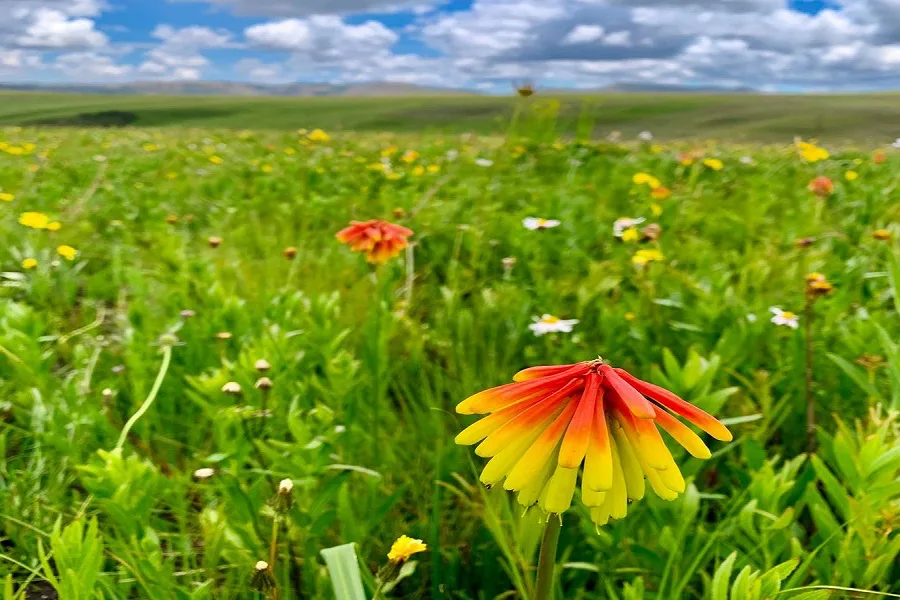
- Red-hot pokers, aloes, and lilies
- Mountain reedbuck
- Eland
- Klipspringer
- Blue swallow (endangered)
- Denham’s bustard (Tanzania’s only population)
- Highland raptors
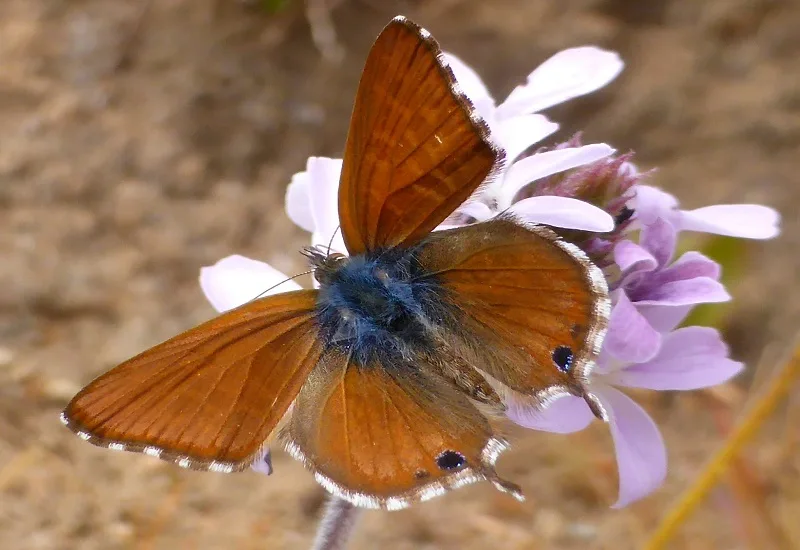
- Endemic butterflies
- Chameleons and lizards
- Frogs
- Range-restricted grassland birds
Things to Do in Kitulo National Park

Wildflower & Orchid Viewing
Wander across the plateau during the bloom to witness one of the world's greatest floral displays, including dozens of rare orchids.

Grassland Hikes & Waterfalls
Follow open walking trails across the rolling grasslands to rivers, gorges, and waterfalls, including a dramatic 100-meter cascade.

Highland Birdwatching
Look for the endangered blue swallow, Denham's bustard, and highland raptors among Kitulo's range-restricted and endemic birds.

Botany & Photography
A paradise for plant lovers and photographers, with endemic flora, butterflies, and sweeping highland scenery at every turn.

Escarpment Hikes & Lake Views
Hike the neighbouring ranges for spectacular views, or descend across the Livingstone Mountains toward Matema Beach on Lake Nyasa.

Endemic Wildlife Walks
Spot chameleons, endemic butterflies, mountain reedbuck, and other specialized highland creatures on guided nature walks.

Best Time to Visit Kitulo National Park

June to October: Hiking, Birding & Clear Views
The dry season brings clearer skies, firmer trails, and excellent long-range views, ideal for hiking, escarpment walks, and birdwatching. Flowers are largely absent at this time, so these months suit travelers whose main focus is trekking and highland scenery rather than the floral spectacle.

November to April: Wildflower Season
Unlike most Tanzanian parks, Kitulo is at its best in the wetter months. This is when the plateau bursts into colour, with the wildflower and orchid display peaking between late December and February. This period is recommended for botanists, photographers, and flower lovers, though trails can be muddy and mist may roll in, so a flexible itinerary helps.
Kitulo’s highland beauty is just one side of Tanzania’s wilder, lesser-known south and rift. Pair it with the raw drama of climbing Ol Doinyo Lengai, the only active volcano you can summit in the region, or venture into the untamed plains of Katavi National Park, one of Tanzania’s most remote and game-rich reserves.
How to Get to Kitulo National Park?
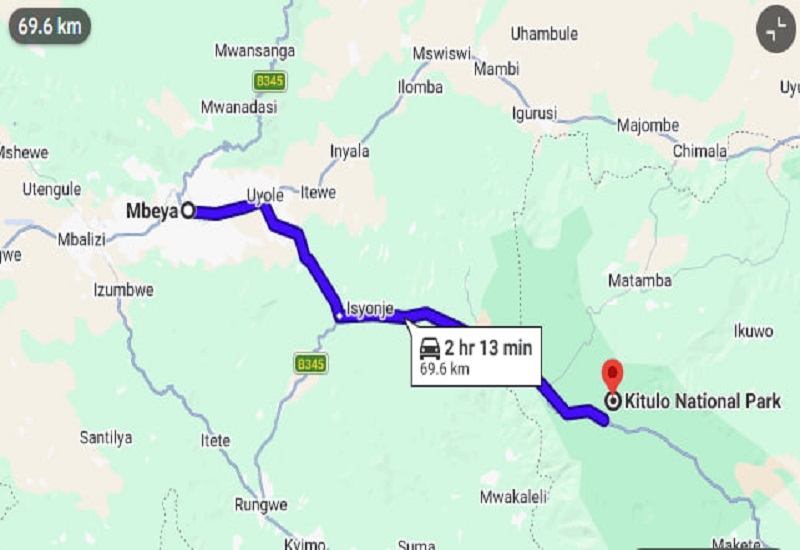
Kitulo lies in Tanzania’s southern highlands, spread across the Mbeya and Njombe regions. The nearest major city is Mbeya, and the park is reached only by road, usually with a 4×4 vehicle.
From Mbeya, the plateau is roughly 70 kilometers via the Isyonje route or about 110 kilometers via Chimala, the latter climbing the famously scenic “Hamsini na Saba” road named for its 57 hairpin bends. The nearest airport is Songwe (Mbeya), served by domestic flights, from where the journey continues overland to the park.
Because road conditions, weather, and travel times vary with the season, Nature Expert Adventures will plan the route, transfers, park entry, and accommodation according to the season and the rest of your itinerary.
Nature Expert Adventures is a Tanzanian-run safari company that plans every trip as a one-off, shaped entirely around the traveller. Instead of fixed departures, we tailor each journey to your interests, timing, budget, and preferred style of accommodation.
For a Kitulo tour, our team can arrange:
- Guided road transfers from Mbeya with a 4×4 vehicle
- Knowledgeable local guides and botany-savvy trackers
- Park entry and permits
- Camping arrangements or comfortable stays in Mbeya
- Itineraries focused on wildflowers, hiking, or birding
- Kitulo combined with Ruaha and the southern circuit
- Domestic flights to Songwe (Mbeya) plus ground transfers
See why so many travellers trust Nature Expert Adventures to design their Tanzania journey.
Frequently Asked Questions
Kitulo is famous as Tanzania’s “Garden of God” and the “Serengeti of Flowers.” It protects one of the world’s great wildflower displays, including around 350 plant species and more than 45 orchids, and is the first park in tropical Africa created mainly to protect its flora.
Kitulo is reached by road from Mbeya, usually with a 4×4, either via the Isyonje route or the scenic Chimala road with its 57 hairpin bends. The nearest airport is Songwe in Mbeya. We arrange flights, transfers, and vehicles as part of your itinerary.
The floral display runs through the wetter months from late November to April, peaking between late December and February. If flowers are your priority, plan your visit for this window rather than the dry season.
Kitulo is a botanical park, so big game is scarce. Instead, it rewards visitors with rare birds such as the blue swallow and Denham’s bustard, highland raptors, mountain reedbuck, klipspringer, and endemic butterflies, chameleons, and lizards.
Yes. Kitulo pairs naturally with Ruaha National Park and other stops on Tanzania’s southern circuit, and suits travelers looking for a highland nature experience alongside a classic safari.