Katavi National Park
Katavi National Park: Tanzania’s Remote Western Wilderness
A Katavi National Park safari immerses travelers in an uncrowded wilderness of immense floodplains, seasonal rivers, abundant wildlife, and profound isolation.
Located in western Tanzania, Katavi is one of the country’s most remote and least-visited national parks. It covers approximately 4,471 square kilometers and protects a varied landscape of open grassland, miombo woodland, riverine forest, seasonal lakes, wetlands, and escarpments associated with the Rift Valley. The park was originally gazetted in 1974 and expanded in 1997.
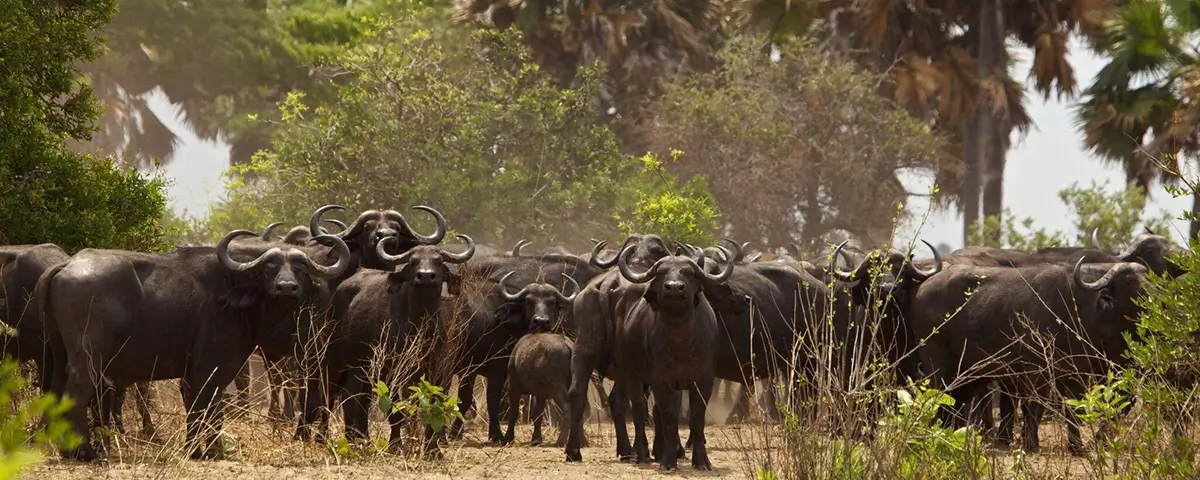
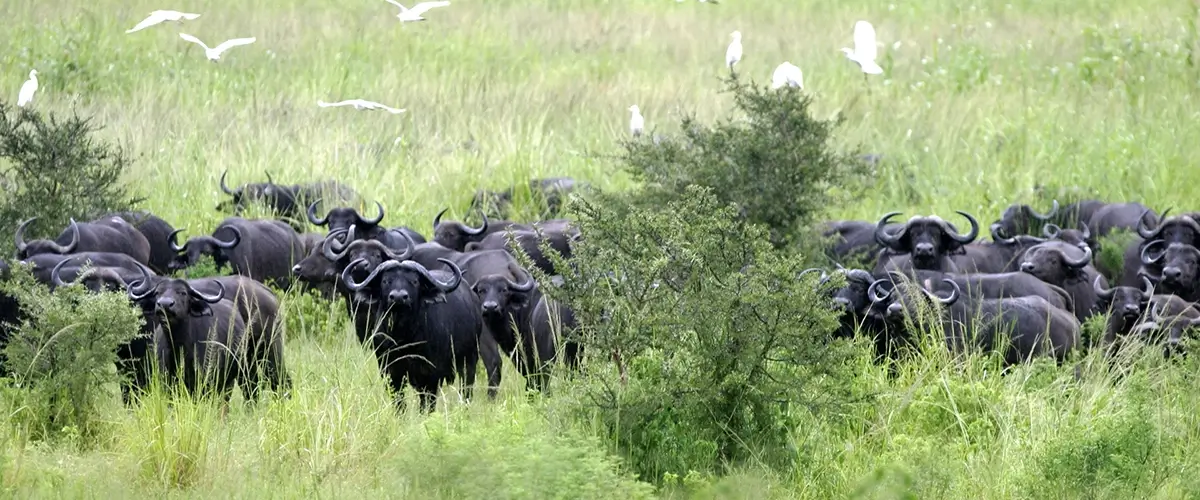
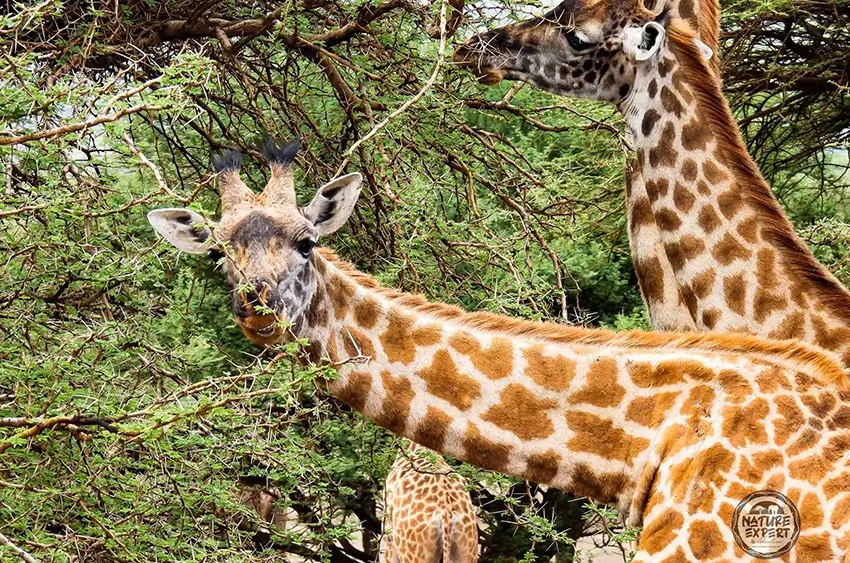
The Katuma River and the floodplains surrounding seasonal Lake Katavi and Lake Chada form the heart of the safari experience. As the dry season progresses, wildlife moves toward the remaining sources of water, creating dramatic concentrations of buffalo, elephants, hippos, crocodiles, antelopes, and predators.
Unlike Tanzania’s busier northern safari circuit, Katavi rewards travelers who value remoteness, patient wildlife observation, wild landscapes, and the feeling of exploring a place that remains largely untouched.
Why Visit Katavi National Park?
Katavi National Park is particularly appealing to experienced safari travelers and wildlife photographers looking for a quieter alternative to Tanzania’s more frequently visited parks.
Its remote location means that relatively few vehicles may be present at a wildlife sighting. Travelers can spend longer observing animal behavior, photographing the landscape, and enjoying the sounds of the wilderness without the traffic sometimes encountered in busier safari destinations.
Katavi is especially rewarding for travelers interested in:
- Large buffalo and elephant herds
- Exceptional dry-season wildlife concentrations
- Hippos and crocodiles around shrinking pools
- Lions, leopards, hyenas, and occasional African wild dogs
- Rare roan and sable antelopes
- Walking safaris in remote wilderness
- Birdwatching around rivers and wetlands
- Landscape and wildlife photography
- Combining Katavi with Mahale Mountains National Park
- Private, low-traffic safari experiences
What Can You See in Katavi National Park?
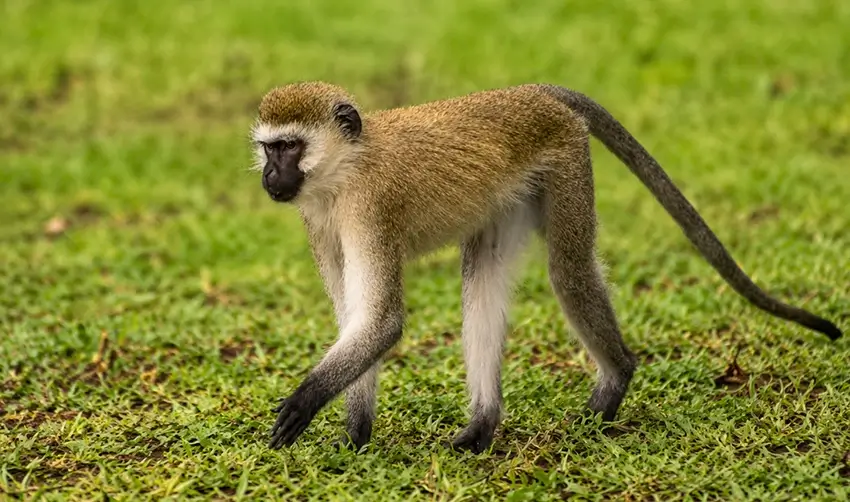
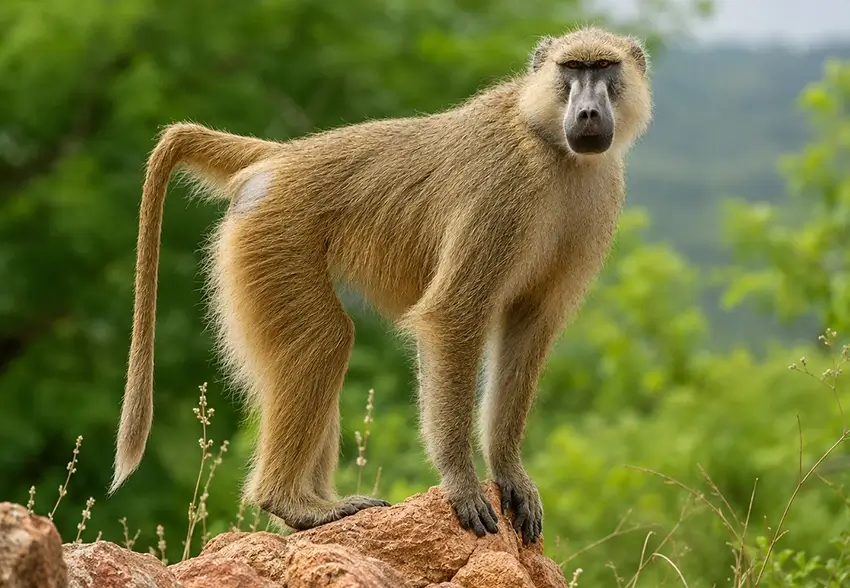
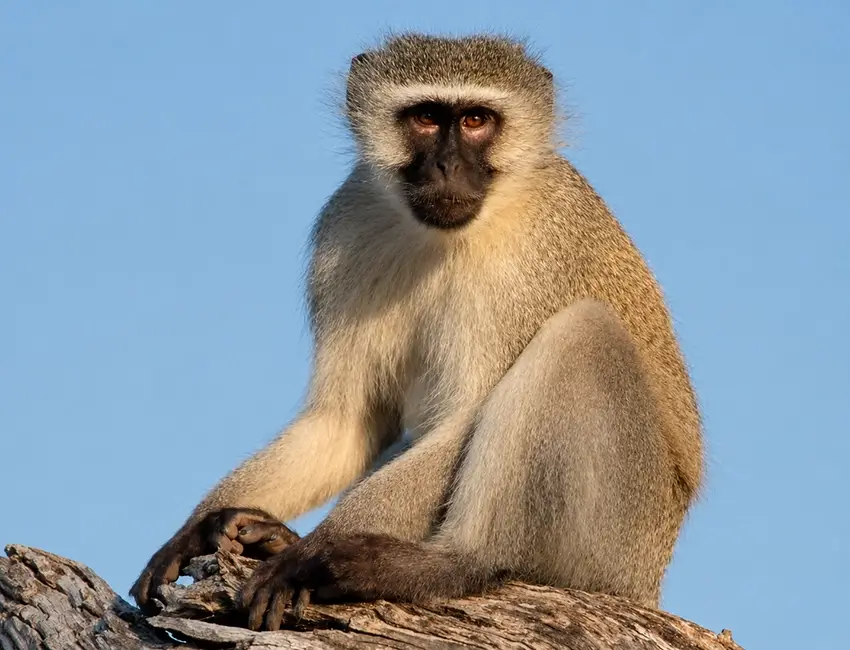
Katavi National Park is home to a small but interesting variety of primates that are well adapted to its woodland and riverine habitats. The most commonly seen species are the yellow baboon and the vervet monkey. Olive baboons may also be found in some areas, depending on the location within the park.
These primates are typically observed along forest edges, riverbanks, and open woodland where food resources are more abundant. Their behavior is highly social, often seen in troops that move together throughout the day.
Unlike Gombe and Mahale Mountains National Parks, Katavi is not home to chimpanzees or gorillas. Instead, it is renowned for its large populations of buffalo, elephants, hippos, crocodiles, lions, and other wildlife that thrive in its vast wilderness.
The seasonal flooding of the Katuma River further enhances wildlife concentration, creating dramatic safari viewing opportunities during the dry season. The park remains one of Tanzania’s most untouched ecosystems, offering an authentic and remote safari experience.
Things to Do in Katavi National Park

Katavi Game Drives
Discover Katavi’s wildlife on intimate 4x4 drives across rivers, lakes, and open plains.
Walking Safaris
Explore Katavi on guided walks with expert rangers and close-up wildlife insights.

Birdwatching
Spot resident and migratory birds across Katavi’s rivers, wetlands, and woodlands.

Wildlife Photography
Capture Katavi’s wildlife, vast plains, wetlands, and dramatic skies in every season.

Katuma River & Floodplains
Katavi’s seasonal waters draw wildlife to shrinking rivers and pools.

Discover the Story of Katabi
Discover Katavi’s cultural roots through the legend of Katabi and the sacred tamarind tree.

Best Time to Visit Katavi National Park

June to October: Best for Wildlife Viewing
The dry season generally runs from June through October. Wildlife becomes progressively easier to locate as vegetation thins and animals gather around the Katuma River, seasonal lakes, and remaining pools. July through October is generally considered the strongest period for game viewing. These months offer excellent opportunities to see large buffalo herds, elephants, hippos, crocodiles, antelopes, and predators around diminishing water sources. Conditions can become hot, dry, and dusty later in the season, but the concentration of wildlife can be remarkable.
November to April: Green Landscapes and Birding
The wetter months transform Katavi into a greener landscape of replenished wetlands, dramatic cloud formations, and active birdlife. Migratory birds are normally present during this period, making it attractive for dedicated birdwatchers and landscape photographers. However, animals become more dispersed, some roads may be difficult or impassable, and a number of seasonal camps may close. Travelers considering a green-season safari should confirm access, accommodation, and flight operations before finalizing their itinerary.
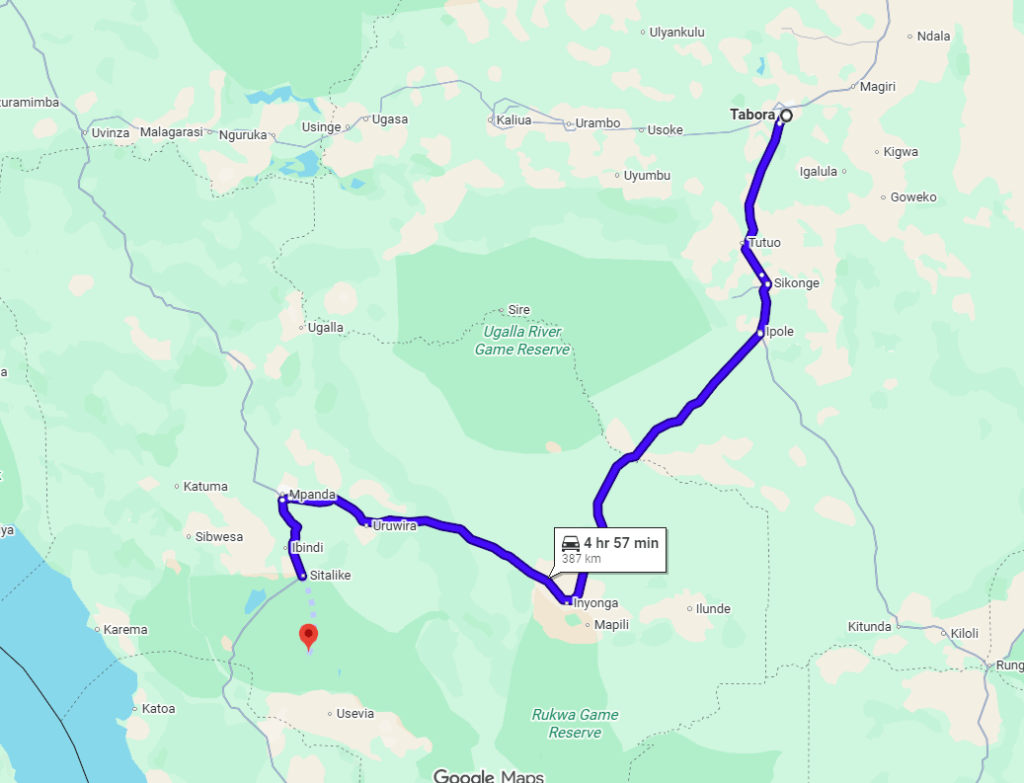
How to Get to Katavi National Park?
Because of its remote location, Katavi is most conveniently reached by air.
Scheduled or charter bush flights may operate to airstrips serving the park, including Ikuu and Sitalike, while travelers can also reach the region through Mpanda.
Many fly-in itineraries begin in Arusha or connect Katavi with other parks. Katavi is frequently paired with Mahale Mountains National Park, allowing travelers to combine a traditional wildlife safari with chimpanzee trekking beside Lake Tanganyika.
Reaching Katavi by road is possible but involves long distances and variable road conditions. A properly equipped four-wheel-drive vehicle, experienced driver-guide, flexible schedule, and careful logistical planning are essential.
Common access options include:
- Scheduled or charter flight from Arusha
- Flight connections through other Tanzanian safari parks
- Domestic flight to Mpanda followed by a road transfer
- Overland travel through Mbeya or Tabora
- A combined Katavi and Mahale Mountains itinerary
Visit Katavi National Park with Nature Expert Adventures
Nature Expert Adventures is a locally based Tanzanian safari company specializing in private and tailor-made journeys.
Our team can design a Katavi National Park safari around your preferred travel dates, accommodation style, wildlife interests, photography goals, and broader Tanzania itinerary.
When you travel with us, we can arrange:
- Scheduled or private charter flights
- Airport and airstrip transfers
- Private four-wheel-drive safari vehicles
- Experienced English-speaking guides
- Park fees and access arrangements
- Tented-camp and lodge reservations
- Guided walking safaris where available
- Birdwatching and photography-focused itineraries
- Katavi and Mahale combination safaris
- Extensions to Ruaha and other Tanzanian destinations
- Personalized pre-arrival travel support
Katavi is best suited to travelers who appreciate remote places and are comfortable with the additional logistics involved in reaching them. Our local team will coordinate these details so that you can concentrate on the wildlife, landscapes, and experience.
Frequently Asked Questions
Yes. Katavi is particularly worthwhile for travelers seeking a remote, uncrowded safari with large wildlife concentrations, extensive floodplains, and a strong sense of wilderness.
It is less suitable for visitors who want short road transfers, extensive shopping facilities, or a highly developed tourism environment.
Katavi National Park is located in western Tanzania, near Mpanda and east of Lake Tanganyika. It forms part of Tanzania’s western safari circuit.
July through October generally provides the strongest wildlife viewing. Animals concentrate around remaining water, vegetation becomes thinner, and roads are usually more accessible. June can also be rewarding, while the wetter months are better suited to birding and green-season photography.
Three to four nights is appropriate for many travelers. This allows time for several morning and afternoon game drives without making the journey feel rushed. Fly-in safari packages commonly use a three- or four-night format.
Wildlife photographers and serious safari enthusiasts may prefer four or five nights.
Katavi is known for its large populations of buffalo, elephants, hippos, crocodiles, lions, and other wildlife that thrive in its vast wilderness. The park also supports a small but interesting variety of primates, including yellow baboons, vervet monkeys, and, in some areas, olive baboons depending on location within the park. More than 400 bird species have also been recorded, contributing to its exceptional biodiversity. Roan and sable antelopes are present but rarely seen, and sightings are not guaranteed.
Katavi is rarely crowded compared with Tanzania’s most visited northern parks. Its distance from the main safari routes and limited accommodation help preserve its quiet wilderness character.
Yes. Katavi and Mahale are frequently combined in western Tanzania itineraries. The combination offers traditional big-game viewing in Katavi followed by chimpanzee trekking and lakeside scenery in Mahale. Flight schedules should be verified for the intended travel dates.
Guided walking safaris are an official activity in Katavi, subject to park regulations, ranger availability, weather, and operating conditions. They should be arranged in advance through the safari operator.
Plan Your Katavi National Park Safari
Travel beyond Tanzania’s familiar safari routes and discover a landscape where enormous floodplains, isolated waterways, large animal herds, and remarkably few visitors create a genuine wilderness experience.
Tell Nature Expert Adventures how you prefer to travel, and our local team will design a private Katavi itinerary around your schedule, interests, accommodation preferences, and budget.